

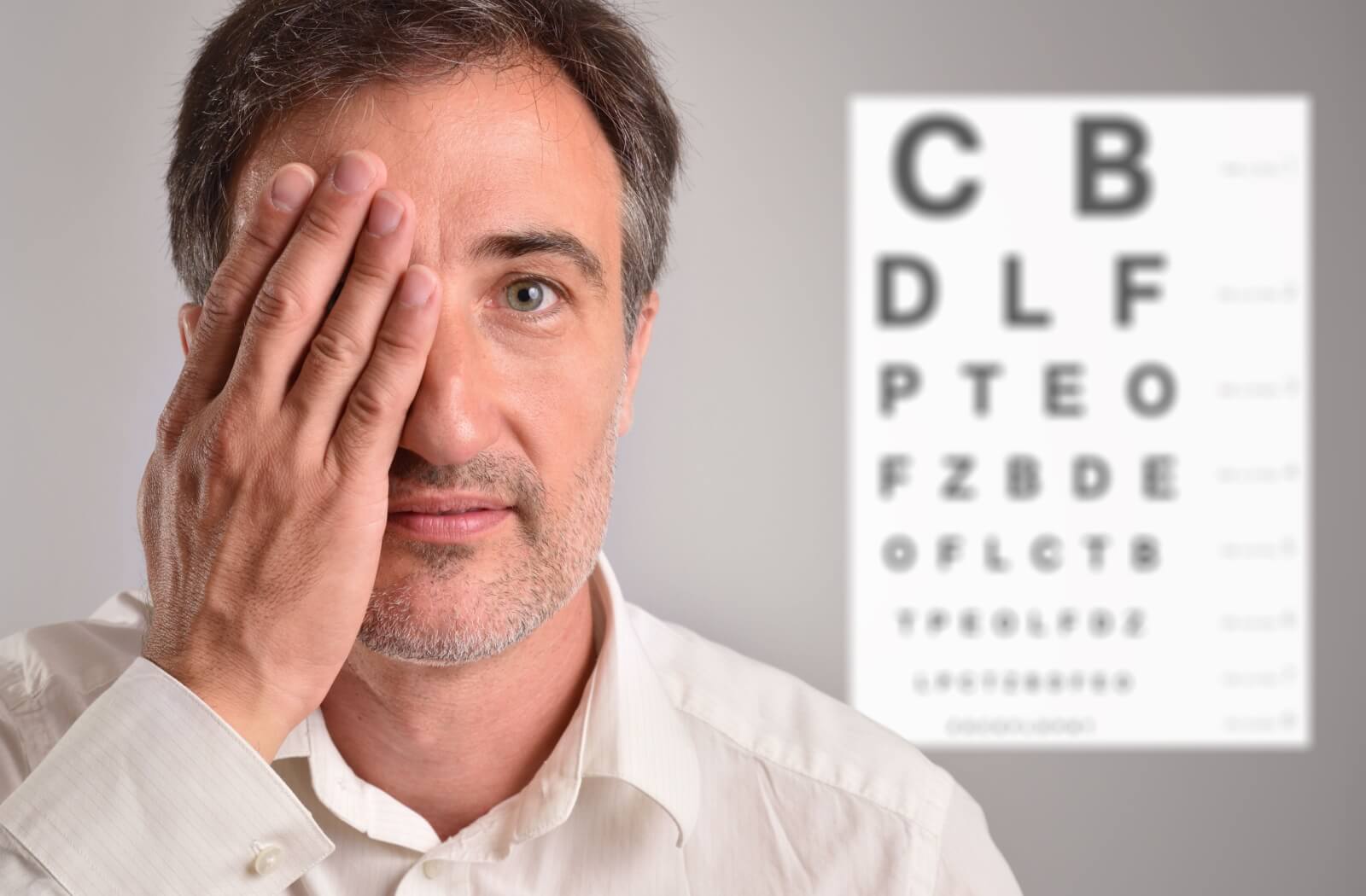
If you have myopia, you know the feeling of the world becoming blurry at a distance. You might wonder if your prescription will continue to change for the rest of your life, especially as you get older and notice other shifts in your vision.
For most people, myopia—or nearsightedness—does not continue to get worse with age after it stabilizes in early adulthood. However, other age-related vision changes can affect how clearly you see up close.
How Myopia Changes Through Life
Myopia is a common vision condition where you can see objects nearby clearly, but objects farther away look out of focus. It often begins in childhood, and your prescription can change as your eyes grow and develop through different life stages.
Myopia in Childhood and Teens
This is when nearsightedness frequently first appears. Because your eyes are still growing, your vision can change quickly during these years. Regular pediatric eye exams help monitor these changes.
Myopia in Young Adulthood
For many, vision changes start to slow down in the late teens and early twenties. Once your eyes have finished growing, your prescription often becomes stable for many years.
Myopia in Later Adulthood
While your nearsightedness may not change, you may begin to experience other vision issues related to age. These are separate from myopia but can affect your overall eyesight.
When Myopia Progression Is Most Active
Myopia changes most during periods of growth. Knowing when these changes are most likely to happen can be helpful, especially if you are a parent tracking your child’s vision.
- School-age years: This is a key time for myopia development. The demands of schoolwork can sometimes coincide with the start of nearsightedness.
- Teenage years: Your vision can continue to change as your body and eyes go through growth spurts.
- Early 20s: By this age, eye growth is typically complete, and prescriptions often settle down.
Factors That Influence Nearsightedness
Several things can play a part in how myopia develops. Your daily routines and even your family history can have an impact on your vision.
Your Daily Habits
Activities that require a lot of close-up focus—like spending hours on a computer, which can lead to digital eye strain—can influence how your eyes develop, particularly during childhood.
Time Spent Outdoors
Children who spend more time playing outside may experience a slower progression of myopia. Natural light and looking at distant objects give the eyes a needed break.
Family History
If one or both of your parents have myopia, you have a greater chance of developing it, too. Genetics can play a significant role in your eye health and vision.
Your Vision and Myopia After Age 40
As you get older, you might notice new or different kinds of changes in your eyesight. This can happen even if your nearsightedness has been stable for decades.
Changes to Distance Vision
In most cases, your distance vision prescription will likely remain the same. The physical changes in your eye that cause myopia usually stop by your mid-twenties. However, comprehensive annual eye exams are important for monitoring overall eye health.
New Challenges with Up-Close Vision
You may start to find it difficult to read small print on a menu or see your phone screen clearly. This is typically a separate, age-related condition called presbyopia that affects your near vision—not your distance vision.
Ways to Manage Myopia Progression
You can take steps to manage how quickly myopia progresses, particularly in children and teens. It often involves a combination of healthy habits and regular eye care.
Adopt Healthy Vision Habits
Simple daily adjustments can support eye health for your whole family.
- Practice the 20-20-20 rule: Every 20 minutes of screen time, look at something 20 feet away for 20 seconds. This helps your eyes relax.
- Get more outdoor time: Encourage kids to play outside. The bright, natural light can be beneficial for developing eyes.
- Use good light for tasks: Make sure you have proper lighting for reading and other close work to reduce unnecessary eye strain.
The Role of Regular Eye Exams
Consistent check-ups are important for monitoring eye health and tracking vision changes over time. An eye doctor in Greater Nashville can check how your or your child’s vision is developing and discuss personalized options to help manage it.
Here for Your Family
Our team at Eyecare Plus is here to provide dedicated care for your family’s vision. If you have questions about myopia or are due for an eye exam, schedule an appointment at one of our six convenient locations in Antioch (Hickory Hollow), Clarksville, Green Hills, Hendersonville, Columbia, or Murfreesboro today.