

Detecting & Managing Eye Diseases
Regular eye exams are a vital component of preventive health care. During your eye exam, we’ll check your eyewear prescription while also screening for signs of eye diseases and other serious eye conditions.
We invest in innovative diagnostic and treatment technologies that help us catch signs of many eye diseases, often before symptoms arise. With early detection, we can work with you to develop a personalized treatment plan that helps manage the effects of your condition.
Safeguard your vision today with a comprehensive eye exam.

Why Early Diagnosis Matters
Many eye diseases cause permanent damage to your vision before you notice any symptoms. If your optometrist catches them early enough, they might be able to slow the progression or prevent vision loss.
After diagnosis, we’ll work together to create a treatment plan tailored to your specific diagnosis and lifestyle.
Age-Related Macular Degeneration (AMD)
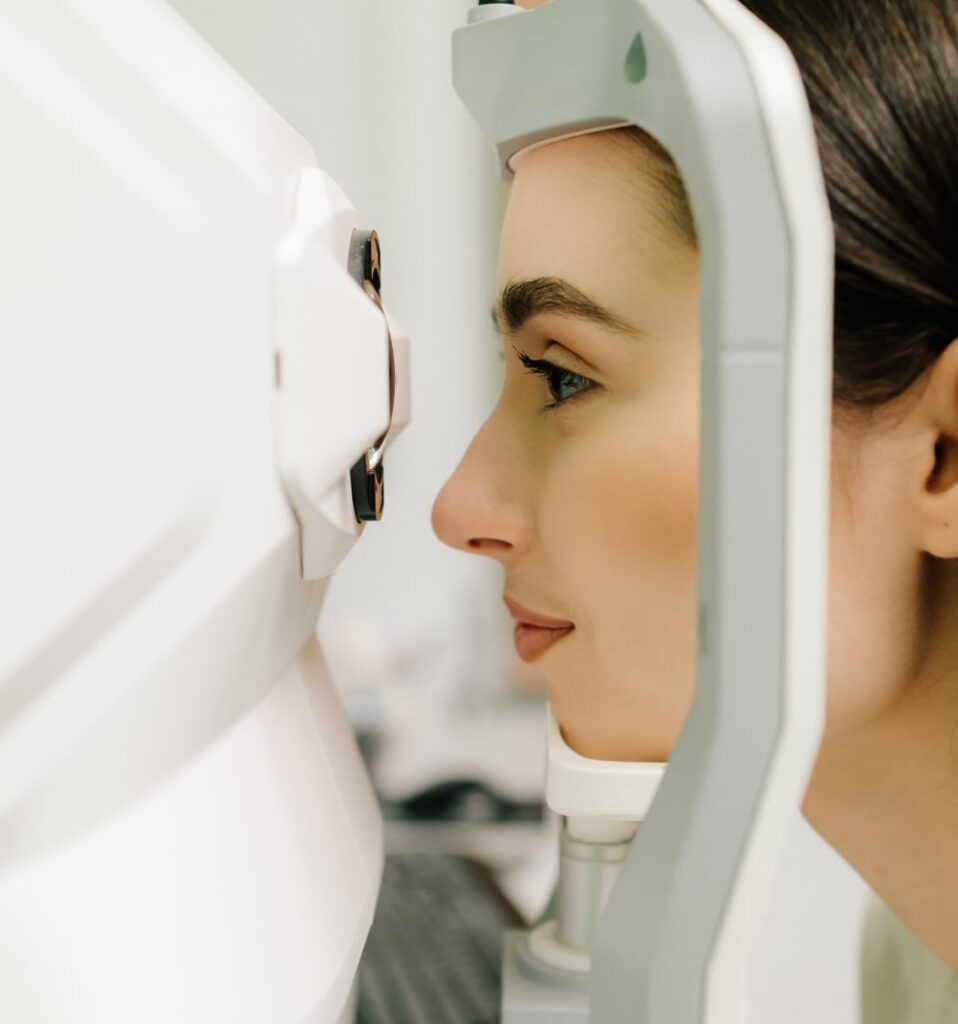
AMD is the leading cause of severe vision loss in adults over 50. That’s why we offer a free AMD screening for patients 50+ during their eye exam. We use the Dark Adaptation device to test your eyes’ response time as they adjust to darkness.
If we detect signs of AMD, we’ll do more in-depth testing, including optos retinal imaging and Octovue iVue OCT scans. Our team is here to guide you through treatment options to help slow the progression of AMD and improve outcomes.
AMD impacts the part of the eye responsible for central vision. While people with AMD may not experience any pain or symptoms as it progresses, without intervention, AMD can lead to permanent loss of central vision. Regular eye exams and screenings are vital for detecting AMD before it impacts your vision.
Symptoms of more advanced AMD include:
- Gradual loss of ability to see objects clearly
- Straight lines look wavy or crooked
- Your color vision is no longer clear
- A dark spot or empty area in the center of your vision
Contact us right away if you or a family member notice any of the above symptoms.

Cataracts
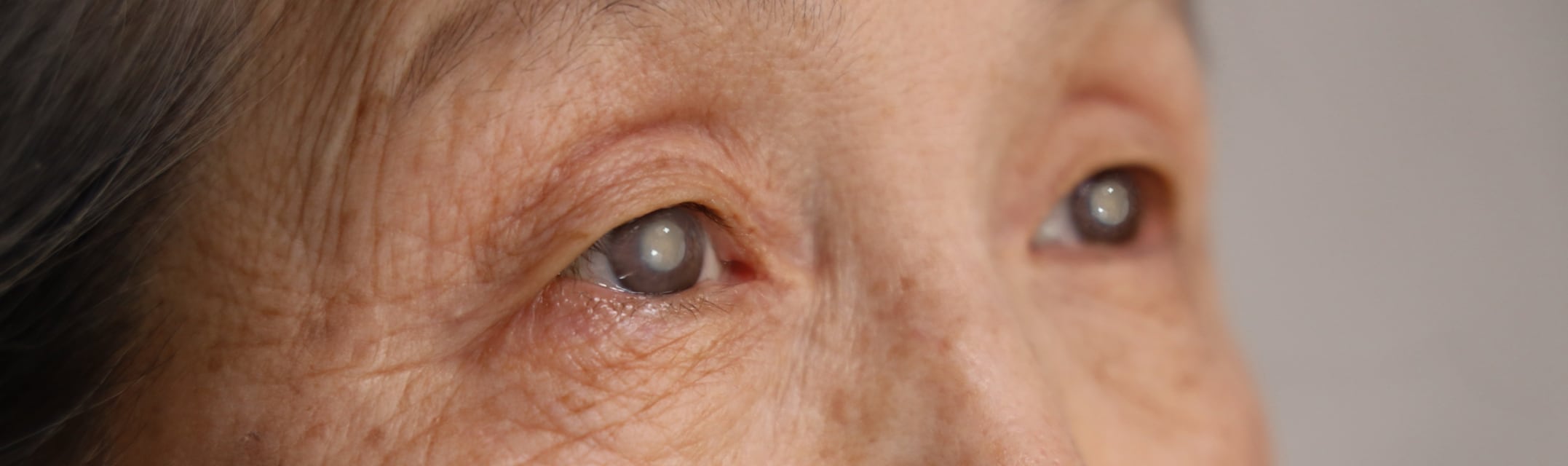
Cataracts occur when the normally clear lens of the eye becomes clouded. Cataracts can cause blurred or clouded vision, glare, decreased color perception, and partial vision loss. While cataracts are a normal part of aging, they are also one of the leading causes of preventable blindness.
During the early stages of cataracts, we can help you maintain your vision by adjusting your prescription. As they progress, we may recommend cataract surgery. We’ll help co-manage your condition and provide recommendations for surgeons and assist with pre-surgery testing and post-operative healing.
Glaucoma
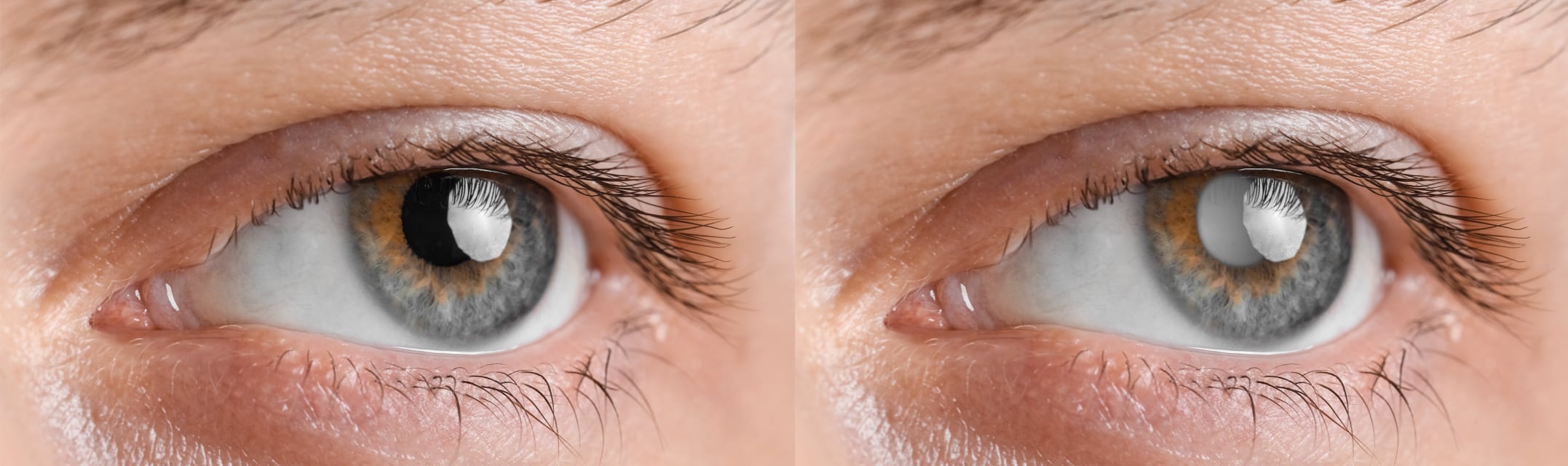
Glaucoma is a group of eye diseases that damage the optic nerve, which sends messages from the eyes to the brain, often from increased eye pressure. In early stages, there are typically no noticeable symptoms, but left untreated, glaucoma can cause vision loss. Eye exams are crucial for detecting glaucoma before vision problems arise.
Symptoms of more advanced glaucoma include:
- Loss of peripheral (side) vision
- Tunnel vision
During your comprehensive eye exam, we’ll screen for eye diseases, including glaucoma. Our visual field analyzer, RETeval, optos retinal imaging, and iVue OCT scanner are used together to check for signs of glaucoma or other eye conditions.
If you’re diagnosed with glaucoma, we’ll work with you to find a medication protocol that suits your vision and lifestyle. We offer both oral medications and prescription eye drops to help manage your condition.
Keratoconus
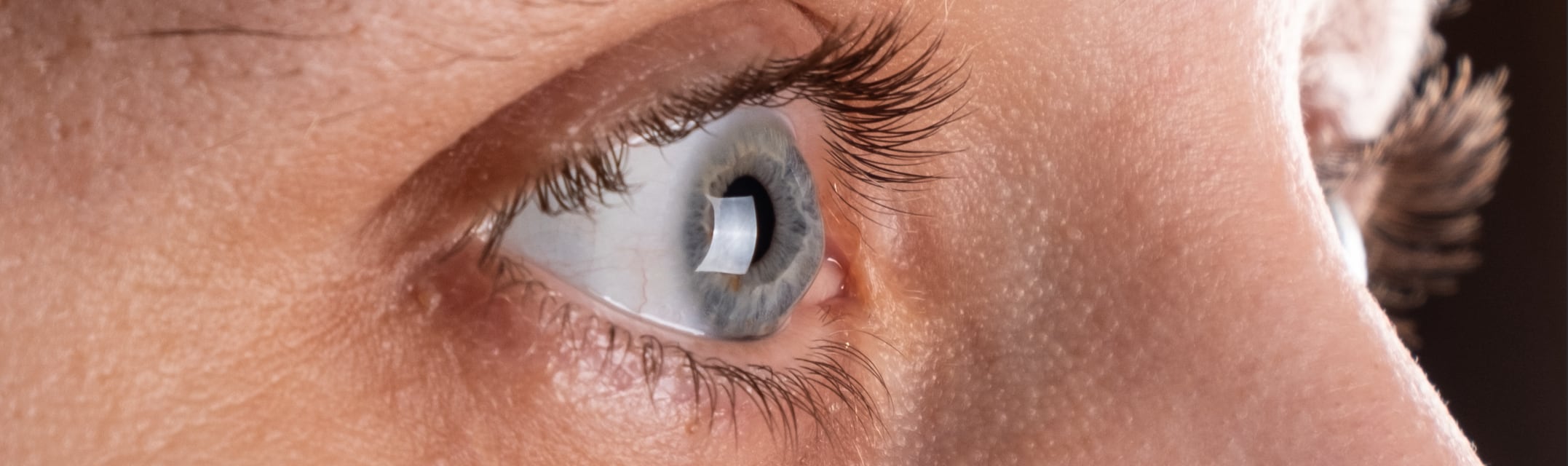
Keratoconus is a condition that causes the cornea (the front part of the eye) to thin and bulge into a cone shape. Symptoms of keratoconus include:
- Blurred or distorted vision
- Frequent changes in eyeglass prescriptions
- Increased sensitivity to light
- A sudden worsening or clouding of vision
To help manage keratoconus, we can fit you with glasses and soft or rigid gas-permeable contact lenses. We’ll spend time with you to make sure your prescription and contact lens fit are right, so your vision is clear and your eyes are comfortable.
In more advanced stages, we’ll help co-manage your treatment and can recommend a surgeon if you need corneal crosslinking or other surgical treatment methods.
Other Eye Conditions
Our team also screens for other eye conditions that impact your vision or quality of life. During your comprehensive eye exam, we’ll test that your eyes are working properly, there are no visible signs of eye disease, and your vision doesn’t show any significant changes that could indicate a problem.
Learn more about the other common conditions we can detect, diagnose, monitor, and manage.
Diabetic eye diseases such as diabetic retinopathy and diabetic macular edema are caused by uncontrolled blood sugar levels, which damage the blood vessels in the eye.
If you have diabetes or prediabetes, a comprehensive diabetic eye exam is vital to managing your overall health. Through retinal imaging and exams, we can check the health of your blood vessels and monitor your eye health. An eye exam also gives a good indication of your overall health, as it’s the only place in the body where we can directly view blood vessels.
Also known as pink eye, conjunctivitis causes inflammation of the eye’s surface as well as redness, itching, and discharge.
If you or your child has suspected conjunctivitis, contact us right away. We’ll aim to get you seen the same day. It’s essential to receive a proper diagnosis of the cause of your symptoms, as conjunctivitis can be caused by viruses, bacteria, or allergies, and treatments vary depending on the underlying condition.
Flashes of light or spots drifting in your vision can indicate changes in the vitreous gel inside the eye. While often harmless, flashes and floaters can sometimes signal a more serious condition, such as retinal detachment.
It’s important to come in for an eye exam if you notice any changes to your vision, as we can check for any underlying causes.
Dry eye is a common and chronic condition that impacts millions of Americans. It occurs when your eyes don’t produce enough tears or have poor tear quality. Symptoms of dry eye include:
- Scratchy or gritty feeling
- Burning or stinging
- Redness
- Persistent eye watering
- Blurred vision
- Eye fatigue
If you are dealing with dry eye, you may also experience discomfort while wearing contact lenses. However, you don’t need to live with these symptoms. We offer dry eye services, including in-depth testing, diagnosis, and in-office or take-home treatment methods.

Stay Ahead of Eye Disease & Protect Your Vision
Regularly scheduled, comprehensive eye exams are your first line of defence against eye diseases that can cause irreversible vision loss.
Let us help you maintain your vision health for years to come. Book your eye exam today.
Frequently Asked Questions About Eye Disease Diagnosis & Management
Yes. Many eye diseases can develop without noticeable symptoms in their early stages. A comprehensive eye exam allows your optometrist to examine your eyes and look for changes that may indicate disease, even when your vision seems normal. Early detection can allow for timely monitoring, treatment, or referral when appropriate.
Eyecare Plus screens for and helps diagnose and manage a variety of eye conditions, including age-related macular degeneration (AMD), cataracts, glaucoma, keratoconus, diabetic eye disease, conjunctivitis, flashes and floaters, and dry eye disease. Your optometrist can also evaluate other changes that may affect your vision or overall eye health.
Most adults should have a comprehensive eye exam at least once a year, although your optometrist may recommend a different schedule based on your age, medical history, eye health, and risk factors. People with certain eye diseases or health conditions may need more frequent monitoring.
Warning signs can vary depending on the condition. Changes that warrant an eye examination can include blurry or distorted vision, loss of peripheral vision, new flashes or floaters, increased light sensitivity, wavy or crooked lines, changes in color vision, or a dark or empty area in your central vision. Sudden changes in vision should be evaluated promptly.
Age-related macular degeneration is an eye disease that affects the macula, the part of the retina responsible for central vision. AMD can progress without noticeable symptoms, particularly in its early stages. Eyecare Plus offers a free AMD screening for patients age 50 and older during their eye exam and can perform additional testing if signs of AMD are detected.
Eyecare Plus uses dark adaptation testing to evaluate how your eyes adjust to darkness. If the screening indicates a potential concern, your optometrist may perform additional testing using technologies such as Optos retinal imaging and Optovue iVue OCT scanning. These tests provide detailed information about the structures of your eyes and can help with ongoing monitoring.
Symptoms of more advanced AMD can include gradually worsening central vision, straight lines appearing wavy or crooked, changes in color vision, or a dark or empty area in the center of your vision. If you notice these changes, contact your eye care provider promptly for an evaluation.
Cataracts occur when the normally clear lens inside the eye becomes cloudy. They can cause blurry or cloudy vision, increased glare, reduced color perception, and vision loss.
Cataracts are common with aging, and your optometrist can monitor their progression during regular eye exams.
Eyecare Plus can monitor cataracts and help manage your vision as they develop. In the early stages, an updated glasses prescription may help improve your vision. If cataracts progress to the point that surgery is recommended, our team can help with pre-surgical testing, referrals, and post-operative care as part of your overall eye care.
Glaucoma is a group of eye diseases that can damage the optic nerve, which carries visual information from the eye to the brain. Glaucoma often develops without noticeable symptoms in its early stages, making regular eye exams important for detection and monitoring. Without appropriate management, glaucoma can lead to permanent vision loss.
Eyecare Plus uses several tests and technologies to screen for signs of glaucoma. Depending on your needs, these may include eye pressure testing, visual field testing, Optos retinal imaging, OCT scans, and RETeval testing. Your optometrist considers the results together to evaluate your optic nerve and overall eye health.
Keratoconus is an eye condition in which the cornea becomes thinner and gradually bulges outward into a cone-like shape. It can cause blurred or distorted vision, frequent prescription changes, light sensitivity, and sudden changes in vision.
Eyecare Plus can help manage keratoconus with appropriate glasses or specialty contact lenses and can refer you for additional treatment when necessary.
Yes. Diabetes can damage the blood vessels in the retina and contribute to conditions such as diabetic retinopathy and diabetic macular edema. Regular diabetic eye exams allow your optometrist to monitor the retina and look for changes that may occur before you notice vision symptoms.
New flashes of light or a sudden increase in floaters can sometimes indicate a problem inside the eye that requires prompt evaluation. If you experience sudden or significant changes in flashes, floaters, or your vision, contact an eye care provider as soon as possible for an assessment.
Yes. Eyecare Plus diagnoses and manages dry eye disease and can evaluate the underlying factors contributing to your symptoms.
Depending on your individual needs, your optometrist can recommend appropriate treatment and use diagnostic technology to assess the health and function of structures involved in tear production.
If your examination identifies an eye disease or other concern, your optometrist will explain the findings and discuss the next steps with you.
Depending on the condition, management may include monitoring, prescription medication, specialty eyewear or contact lenses, treatment in our office, or referral to another eye care professional or surgeon when appropriate.



Our 6 Eye Clinic Locations in Greater Nashville

Made Here,
Made to Last
See clearer, faster. Our in-house lens edging means your new glasses are crafted with precision and ready fast. At Eyecare Plus, we’re dedicated to quality control every step of the way.
Book OnlineExplore Our Eyewear Brands







About Us
Specialty Eye Care
Dry Eye Exams
Eyewear
Antioch (Hickory Hollow)
- 5323 Mt. View Road
- Antioch, TN 37013-2308
Clarksville
- 2024 Wilma Rudolph Blvd., Suite C
- Clarksville, TN 37040-6879
Hendersonville
- 386 W Main Street, Suite 104
- Hendersonville, TN 37075-3349
IMPORTANT HEALTH COVERAGE TAX DOCUMENTS:
Form 1095-C for the 2025 tax year is available upon request. To request your copy, please contact Eyecare Plus at jennifer@myeyecareplus.com, 615-601-3888, or 419 Memorial Blvd Murfreesboro, TN 37129. Forms will be provided within 30 days of request, or by January 31st, whichever is sooner. This notice remains available through October 15, 2027.