

Finding room in a busy schedule for health appointments can feel like a stressful puzzle. Between dropping the kids off and running errands, you need to know exactly how your day will unfold. You might put off vision checks simply because you assume the process takes up the entire afternoon.
A standard eye exam usually takes between 30 and 60 minutes from start to finish. Extra tests or special evaluations can add a little more time to that estimate, but this time is well spent to help keep your eyes healthy.
Average Time for a Routine Eye Appointment
The time you spend with the optometrist depends on your specific vision needs. Basic visits run smoothly and keep you within that standard hour. New visits often require slightly more time to complete paperwork and establish a health history.
Specialty evaluations for complex vision issues can take up to 2 hours. Plan extra time and avoid rushing through the steps.
Factoring in Age
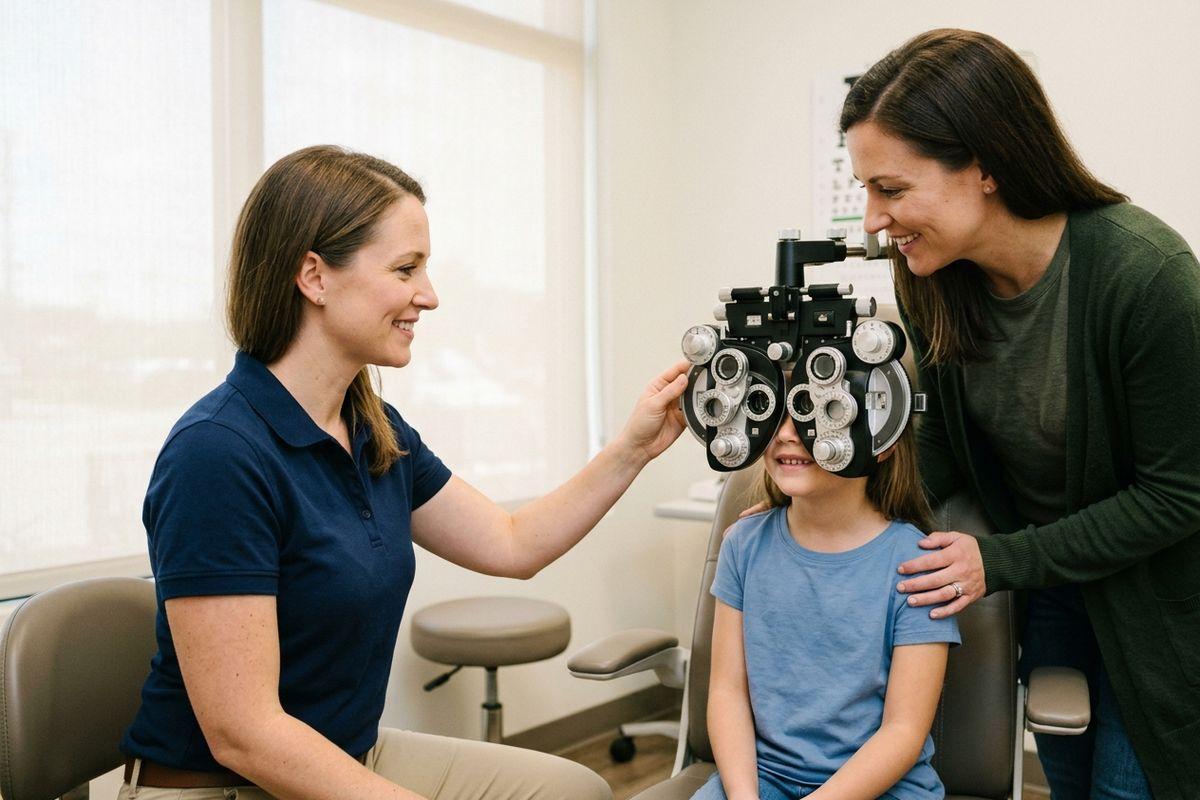
Children coming in for pediatric eye exams often need extra time so they feel comfortable in the chair. Our team explains the tools and makes the process fun for younger visitors. This unhurried approach helps children cooperate during their vision checks.
Adult visits follow straightforward timeline expectations. You move through the standard checks quickly when no new issues arise. Seniors may need time for disease management checks. Extra tests look for age-related changes in the eyes, such as early signs of age-related macular degeneration.
What Happens During Your Exam?
Every visit follows a structured path to evaluate your overall eye health. This steady process helps the team gather accurate details about your sight.
Initial Health and Vision Review
The visit often starts with a conversation about your daily life and vision struggles. The team reviews your health history and medications to spot potential effects on your sight. You have a chance to mention any specific concerns you experience at home or work.
Bring up any changes you notice in your daily vision. Share these specific symptoms with your optometrist:
- Blurry vision or eye strain after computer work
- Flashes of light in your side vision
- Redness or irritation that lingers
Vision Acuity and Refraction
The optometrist checks how well you see details at different distances. By reading letters on a chart, we can check your visual clarity. This step highlights any recent changes in your natural eyesight.
The next step is to determine your corrective prescription. You’ll look through a specialized mask with different lenses while viewing the chart, and your optometrist will ask which lenses help you see the sharpest image. Using this information, we can determine what kind of glasses may work for you.
Eye Health Examination
Good vision involves more than just reading letters clearly. Your optometrist uses lights and microscopes to examine your internal and external eye structures. This careful look checks the health of your cornea and surrounding tissues.
We can also use retinal imaging to take a deeper look at the back of your eye. These digital pictures check for early signs of disease before they affect your vision. Detecting small changes early helps protect your long-term vision.
Additional Tests That Add Time
Some visits involve extra steps for a more detailed evaluation. These additions change how much time you spend at the clinic.
Pupil Dilation Timelines
A dilated eye exam is when your optometrist places special drops in your eyes to widen your pupils. These drops require 20 to 30 minutes to work completely, and you can rest in a comfortable waiting area while the drops take effect.
By widening your pupils, we can get a clearer view of your eye’s interior. The doctor examines your retina and optic nerve for signs of damage or disease. This step provides helpful details about your overall eye health.
Contact Lens Measurements
Wearing contacts requires a different prescription than standard glasses. These contact lens exams require extra measurements of your eye shape to help find a comfortable fit. Your optometrist checks the size of your eye and the curve of your cornea to select the right lens type.
First-time users often spend additional time learning how to handle the lenses. The team gives you instructions for safe insertion and removal. Practice these steps until you feel comfortable managing the lenses on your own.
Preparing for Your Visit
A little planning at home helps make your appointment flow smoothly. Gathering the right items helps the team serve you efficiently.
Items to Bring With You
You need to pack a few helpful items before you leave the house. Bring your current glasses and contact lenses so the optometrist can evaluate your current prescription. Knowing your current correction helps our team measure any changes.
Your health history plays a big role in your eye care. Carry a list of daily medications so the optometrist understands your full health picture. Plus, have your picture ID and insurance details ready for the front desk staff.
Things to Avoid Before You Arrive
Your daily habits can affect the results of your vision checks. Limit screen time on the morning of your visit to reduce digital eye strain. Rested eyes give the optometrist a more accurate reading of your natural vision.
What you drink matters on the day of your appointment. Limit your caffeine intake before the visit. High amounts of caffeine can raise your blood pressure and affect the fine blood vessels in your eyes.
Wrapping Up Your Appointment
Your eye care continues after you leave the clinic. You need to take a few extra steps to protect your eyes and get your new eyewear.
Safe Transportation Choices
Your eyes stay sensitive to light for a while after the appointment. Pupils remain dilated for 4 to 6 hours after the drops are placed, which can make everything look unusually bright or blurry during this window.
Ask a family member or friend to drive you to and from the clinic, or take a rideshare service and get home safely if a friend is unavailable. Wait until your vision completely clears before operating a vehicle.
Waiting for Your New Eyewear
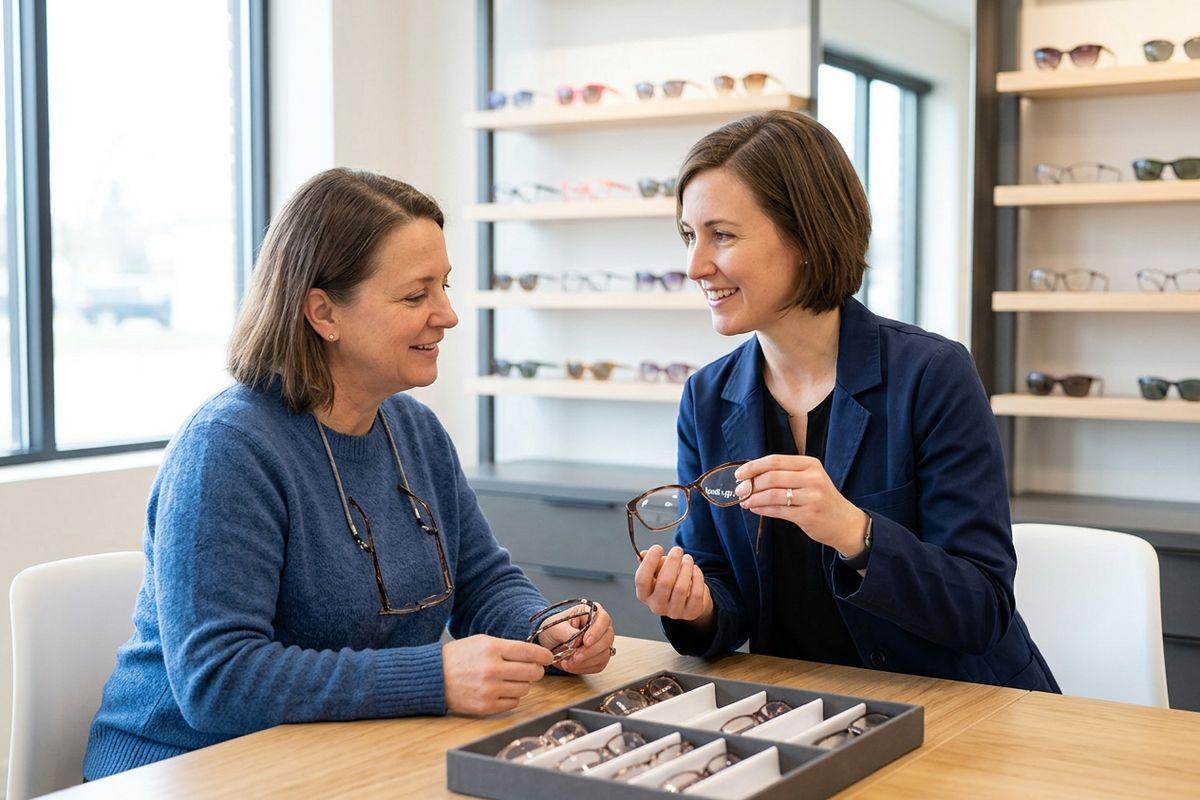
You usually have to wait a little while for custom eyewear. Prescription glasses usually arrive in 7 to 10 days after you place the order. The lab needs this time to craft the lenses to your exact measurements.
Contact wearers often get a faster start. Trial contact lenses are often available immediately at the clinic, so you can leave the office with clear vision while you wait for your full supply to arrive.
Ready to See Your World More Clearly?
Finding an hour for your health makes all the difference for your long-term sight.
Schedule your exam and protect your vision. Reach out to the team at Eyecare Plus today to book your next appointment at one of our six convenient locations in Antioch (Hickory Hollow), Clarksville, Green Hills, Hendersonville, Columbia, or Murfreesboro.